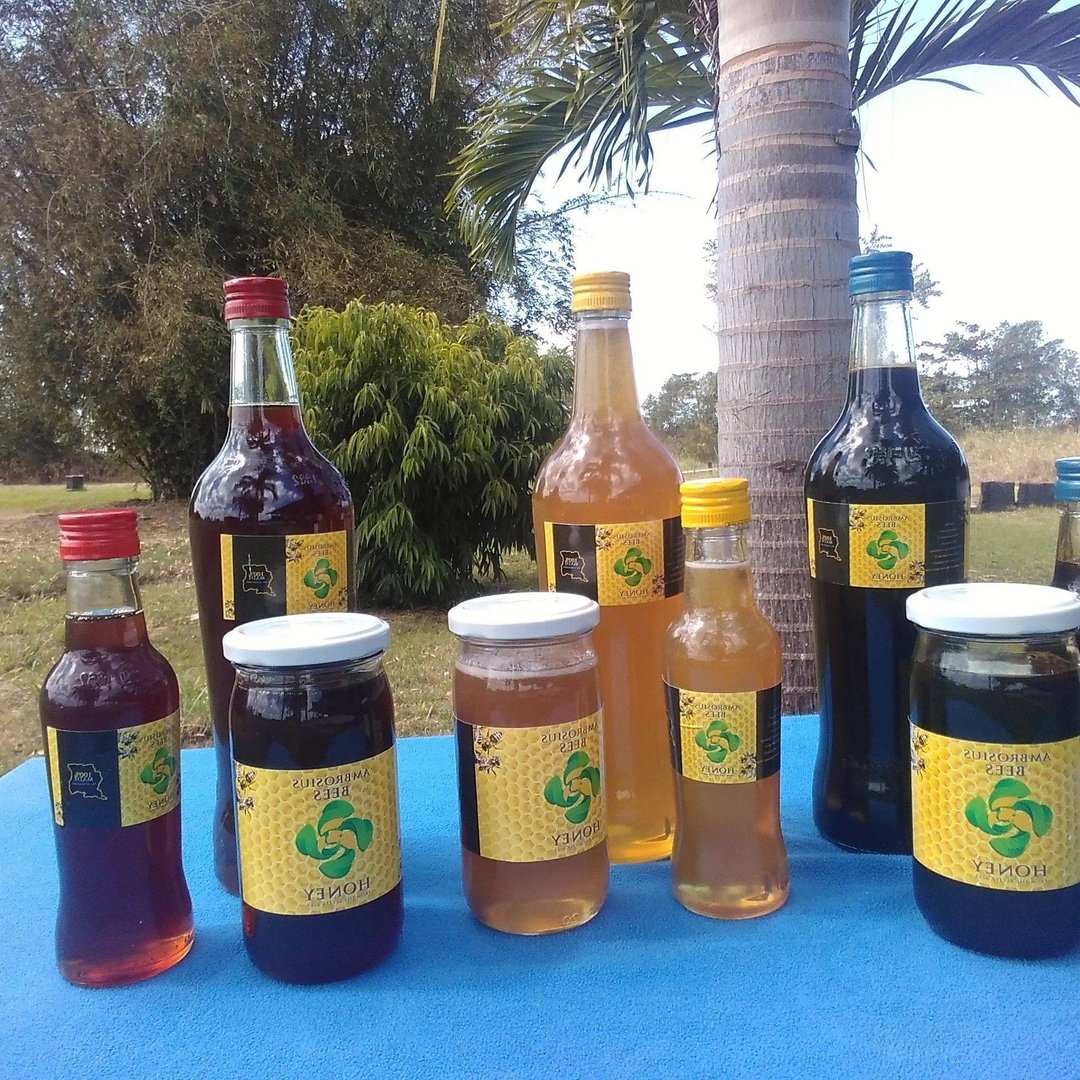
Ambrosius Bees

Navigating Operational Delays and Optimizing Production
Executive Summary

Ambrosius Bees, a beekeeping sole proprietorship in Suriname, focuses on honey production for local markets. While sales are currently doing okay, they're far from their potential. The company faced significant delays in scaling due to legal complications with planned land for beehive installation and a new lab. This case highlights the critical importance of proactive due diligence and contingency planning for land tenure, and underscores missed opportunities to optimize natural harvest cycles to maximize income in agricultural enterprises.
Company Snapshot

Ambrosius Bees (established 2015) is a beekeeping operation primarily producing honey for local B2B and B2C markets. It remains a sole proprietorship.
Support Requested from SURGE
Modern beehives and training for out-growers.
Lab equipment for high-productive queen breeding.
Rehabilitation of existing infrastructure.
Current Activities & Operational Challenges
Progress: Equipment received (November 2024), and 50% of beehives are installed. Out-grower training is ongoing.
Sales Performance: Despite setbacks, Ambrosius Bees is still doing okay with sales, demonstrating resilience in its market.
Major Setback: Legal complications with the intended Ingipaweg land caused significant delays in installing the remaining 50% of beehives and renovating the laboratory. This issue, if taken more seriously from the beginning, could have prevented considerable delays and allowed sales to be much better.
Adaptive Solution: A new land at Ornamibo has been identified, with preparations for the full plan expected to complete by May 2025. This shows resilience in adapting to unforeseen obstacles.
MEL Data Analysis
Sales Trend: Sales picked up from October 2024, with a significant jump in December (harvest month).
Harvest Cycle Observation: Despite beekeepers potentially having 2-3 harvests annually, Ambrosius Bees currently shows only one primary harvest period in December. This indicates a potential for increased productivity that remains untapped.
Lessons Learned for Future Interventions
Proactive Due Diligence & Contingency Planning: This case strongly emphasizes the necessity of thorough legal due diligence and securing land tenure before planning major infrastructure investments or operational expansion. Had these "ground issues" been addressed seriously from the start, the company's growth and sales could have been significantly better. Contingency plans for site alternatives are crucial.
Optimizing Production Cycles for Maximum Income: For agricultural ventures, understanding and optimizing natural harvest/production cycles is key. Ambrosius Bees' current single harvest points to a clear opportunity for increasing productivity (e.g., through improved beekeeping practices, better forage management, or queen management) if local conditions permit more frequent harvests, directly boosting sales potential.
Infrastructure Impact: Delays in critical infrastructure (beehive installation, lab) directly halt production scaling and income growth. Efficient project execution, unhindered by foundational issues, is paramount.
Adaptive Management: The company's ability to identify and pivot to a new land location demonstrates vital adaptive management in the face of unforeseen challenges.
Conclusion
Ambrosius Bees' experience highlights that while external support for equipment and training is vital, proactive attention to foundational operational aspects like land tenure and strategic planning for optimal resource utilization are equally critical. Ignoring initial issues can severely limit a company's potential, even if it maintains a "doing okay" status; serious engagement with these issues from the outset can unlock significantly better outcomes.
